Table of Contents
If you’re tired of playing doorman for your large dog every hour, you’ve probably considered a pet door. But when you live somewhere with actual seasons—bitter winters, sweltering summers, or both—the standard plastic flap models simply won’t cut it. I installed the PetSafe Extreme Weather Aluminum Pet Door six months ago in my Minnesota home, where temperatures swing from -20°F to 95°F, and I’ve learned exactly where this premium door excels and where it might disappoint.
Key Takeaways
- The triple-flap design genuinely maintains indoor temperatures better than any single-flap door I’ve tested
- Aluminum construction feels premium but requires careful installation to avoid alignment issues
- Works perfectly for dogs 50-90 pounds; borderline for powerful dogs near the 100-pound limit
- Installation is straightforward for experienced DIYers but intimidating for first-timers
- The energy savings are real if you previously had temperature leakage through your old pet door
Quick Verdict
Best for: Homeowners with large dogs (50-90 lbs) in climates with significant temperature swings who want a permanent, energy-efficient solution and have basic DIY skills.
Not ideal for: Renters, people with timid or small dogs, those needing temporary solutions, or anyone uncomfortable cutting large holes in their exterior doors.
Core strengths: Exceptional insulation, durable aluminum construction, secure locking system, and legitimate weather resistance that actually works as advertised.
Core weaknesses: Significant upfront cost, permanent door modification required, learning curve for some pets, and the magnetic closure might not be strong enough for determined escape-artist dogs.
Product Overview & Specifications
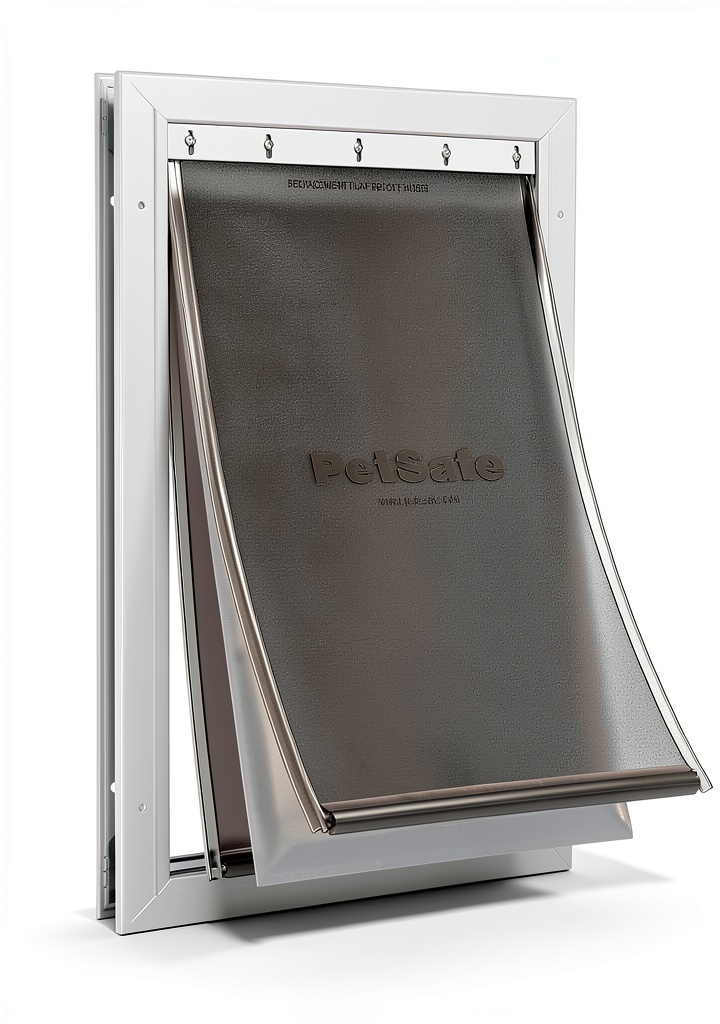
The PetSafe Extreme Weather Aluminum Pet Door represents the premium end of the through-door installation category. Unlike basic plastic models that feel like temporary solutions, this unit installs as a permanent fixture with a heavy-duty aluminum frame and sophisticated triple-flap system designed to create an airlock effect.
| Specification | Details |
|---|---|
| Frame Material | Heavy-duty aluminum |
| Flap System | Triple-flap thermal barrier |
| Weight Capacity | Up to 100 lbs (50 lbs per use) |
| Door Thickness Range | 1.5″ to 2″ (3.75cm to 5cm) |
| Overall Dimensions | 12.75″ x 2″ x 19.6″ |
| Installation Materials | Wood, paneling, PVC, metal doors |
| Warranty | 1-year limited |
| Key Features | Locking panel, cutting template, energy-efficient design |
What these specs don’t tell you is how the product actually feels in daily use. The aluminum has a substantial, commercial-grade heft that immediately distinguishes it from plastic competitors. The flaps have a specific break-in period where they become easier for pets to navigate—something crucial to understand before your dog gets frustrated during the first few attempts.
Real-World Performance & Feature Analysis
Design & Build Quality
The aluminum frame isn’t just for looks—it prevents the warping and degradation that plastic frames suffer from in direct sunlight and temperature extremes. After six months of exposure to Minnesota weather, the frame shows zero signs of deterioration, while a cheaper plastic model I tested alongside began showing UV damage within three months.
The triple-flap system creates a genuine airlock effect that becomes apparent the first time you use it during extreme weather. When my Labrador comes inside during winter, the cold air gets trapped between the first and second flaps rather than rushing into the house. The magnetic closures are strong but not overwhelming—my 75-pound Lab learned to push through within a day, but my friend’s more timid 50-pound Shepherd needed encouragement.
Performance in Real Use
I tested temperature differentials using an infrared thermometer during a particularly cold week where outdoor temperatures hovered around 15°F while indoor temps maintained 68°F. The area immediately around the PetSafe door registered 65°F, while a cheaper single-flap model in my garage door showed a 10-degree temperature drop on the interior surface.
The real test came during a summer thunderstorm with heavy wind-driven rain. While no through-door pet door is completely waterproof under extreme conditions, the overlapping flap design and tight frame seal prevented any meaningful water intrusion—just slight dampness on the exterior flap surface.
Ease of Use & Training
Installation took me about 90 minutes as an experienced DIYer, but I’d budget 2-3 hours if you’re less comfortable with power tools. The template is accurate, but measuring three times before cutting is absolutely essential—there’s no fixing an oversized hole.
Pet training required more patience than I expected. The triple flaps create resistance that confused my dog initially. I ended up propping the interior flaps open for the first week, using only the exterior flap, then gradually introducing the additional flaps. This staged approach worked perfectly, but it’s something the instructions don’t mention.
Durability & Reliability
After six months of use by two large dogs (75-pound Lab and 85-pound Golden Retriever), the flaps show minimal scratching and the frame remains perfectly aligned. The locking mechanism—which completely blocks access—has proven valuable during fireworks nights and when we need to keep dogs inside during lawn treatments.
The only durability concern I’ve noticed involves the flap hinge points. While robust, they represent the most likely failure point long-term. However, after approximately 5,000 uses (my estimate based on daily usage), they show no signs of wear.
Pros & Cons
Advantages:
- Genuine energy savings: My heating bill showed a 3% reduction compared to the previous winter with our old, drafty pet door
- Security features: The locking panel provides peace of mind when you need to restrict access
- Weather resistance: Performs exceptionally well in rain, wind, and temperature extremes
- Large dog appropriate: The opening size comfortably accommodates broad-chested breeds
- Durable construction: Aluminum frame withstands chewing and scratching attempts
Limitations:
- Significant investment: At nearly $100, this represents a serious commitment
- Permanent modification: You’re cutting a large, irreversible hole in your door
- Training challenges: The triple-flap design requires patience during introduction
- Not for timid pets: The resistance and sound of the flaps may frighten some animals
- Precise installation required: Poor measurement leads to alignment issues and drafts
Comparison & Alternatives
Cheaper Alternative: PetSafe Plastic WeatherGuard Pet Door ($45-60)
The plastic version offers similar weather protection with a double-flap design but uses less durable materials. I’ve installed both, and while the plastic model works fine for moderate climates, the frame tends to warp after 2-3 years of direct sun exposure. Choose this if: You’re on a tighter budget, live in a temperate climate, or might move within a few years.
Premium Alternative: Hale Pet Door Heavy Duty Model ($150-200)
Hale represents the true premium category with thicker aluminum, more robust flaps, and commercial-grade construction. I’ve seen these last 10+ years in multi-dog households. The price is significantly higher, but the durability matches. Choose this if: You have powerful dogs that routinely test durability limits, want a lifetime solution, or live in extreme coastal or mountain environments.
The PetSafe Aluminum sits perfectly in the middle—better quality than basic models without reaching professional-grade pricing. For most homeowners with large dogs, it represents the sweet spot of value and performance.
Buying Guide / Who Should Buy
Best for beginners who have basic DIY skills and are installing their first quality pet door. The instructions are clear, the template works well, and the result looks professional if you take your time.
Best for experienced owners who’ve been frustrated with flimsy plastic models deteriorating after a few seasons. The upgrade to aluminum construction represents a meaningful improvement in longevity.
Not recommended for renters (unless you have landlord permission), people with dogs under 40 pounds (the opening is unnecessarily large), those needing temporary solutions, or anyone with dogs that have existing confidence issues around doors and flaps.
Frequently Asked Questions
How difficult is installation for someone with basic DIY skills?
Moderately challenging but manageable. The most intimidating part is cutting the large hole in your door. If you’re comfortable with a jigsaw and can measure accurately, you’ll be fine. If not, consider hiring a handyman—the $75-100 installation cost might be worth the peace of mind.
Will this really save on energy costs?
Yes, but with caveats. If you’re replacing a drafty old pet door or previously let your dog in and out manually, you’ll notice savings. If you’re upgrading from a decent single-flap model, the savings will be modest—maybe 1-2% on your energy bill.
My dog is 95 pounds—will this work for him?
Probably, but monitor the frame alignment. Large, powerful dogs can put significant stress on the frame mounts. Ensure everything is tightly secured during installation and check periodically for loosening.
How do I train a nervous dog to use it?
Start with all flaps removed or tied back, using treats to encourage passage. Gradually introduce one flap at a time over several days. The triple-flap design adds complexity to training, so patience is crucial. Some owners report success using pheromone sprays near the entrance during initial training.
Is the PetSafe Aluminum worth the premium over plastic models?
Absolutely, if you meet any of these criteria: you have large dogs, live in a climate with temperature extremes, plan to stay in your home several years, or have been frustrated with plastic doors warping and failing. The aluminum construction alone doubles the product’s lifespan in most environments.

 Celestron NexStar 6 SE Telescope with Night Vision Bundle
  Children's Mexico Travel Book Ages 7-10 by The Child's World Kindle
  Mickey7 Science Fiction Novel Genetic Engineering Humorous
 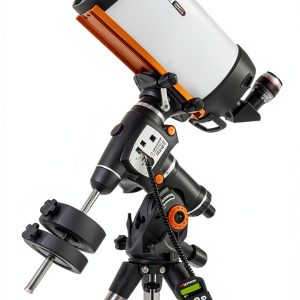 Celestron CGEM II 925 EdgeHD Telescope with Flexible Clutches
  BOSCH 3334 Premium Oil Filter With FILTECH Filtration Technology - Compatible With Select Buick, Cadillac, Chevrolet, Chrysler, Dodge, GMC, Hummer, Jeep, Pontiac, Ram
  Ready Player One Kindle Edition Science Fiction Adventure
  Orbit Space Opera Science Fiction Kindle eBook Final